
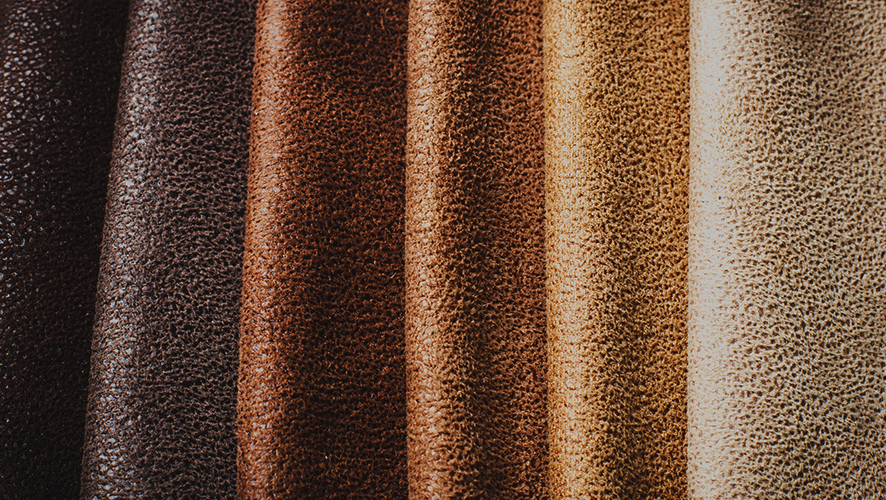
Introduction to SUEDE Leather Excellence
What sets Hermès SUEDE Leather apart from conventional suede materials is the extraordinary attention to detail at every stage of production. From the initial selection of the finest hides to the final buffing that creates its signature nap, every step is executed with precision and expertise honed over generations. This dedication to quality ensures that SUEDE Leather maintains its luxurious appearance and feel throughout years of use, developing a unique patina that only enhances its character over time.
The Rich History and Heritage of SUEDE Leather
The introduction of SUEDE Leather into the Hermès collection marked a significant moment in the brand’s evolution, representing a bold departure from the smooth, polished leathers that had traditionally dominated luxury handbag production. This innovative material first appeared in Hermès workshops during the mid-20th century, when the maison began experimenting with different textures and finishes to expand their artistic vocabulary. The decision to incorporate suede into their prestigious lineup was not taken lightly; it required developing entirely new techniques and standards to ensure the material met Hermès’ exacting requirements.
Throughout the decades, SUEDE Leather has evolved from a specialty material used primarily for small leather goods and accessories to a coveted option for the most iconic Hermès handbags. The journey of this transformation reflects broader changes in luxury fashion, where texture and tactile experience have become increasingly important to discerning customers. Early iterations of SUEDE Leather were primarily available in earth tones and neutral shades, but as dyeing techniques advanced, Hermès expanded the color palette to include vibrant hues that showcase the material’s unique ability to absorb and reflect light.
The craftsmanship required to work with SUEDE Leather demands specialized skills that take years to master. Unlike smooth leathers such as Hermès Epsom Leather, suede requires delicate handling throughout the construction process to preserve its distinctive nap. Hermès artisans undergo extensive training specifically for working with suede materials, learning techniques passed down through generations while also incorporating modern innovations that enhance durability without compromising the material’s essential character.
The cultural significance of SUEDE Leather extends beyond its practical applications. In the 1970s and 1980s, suede became synonymous with bohemian luxury, and Hermès capitalized on this trend by creating limited edition pieces that combined traditional craftsmanship with contemporary design sensibilities. These pieces have since become highly sought after by collectors, demonstrating how SUEDE Leather has contributed to Hermès’ reputation as both a preserver of tradition and an innovator in luxury fashion.
Today, SUEDE Leather continues to evolve while maintaining its connection to Hermès’ rich heritage. Modern processing techniques have improved the material’s resistance to water and staining, addressing historical concerns about suede’s practicality while preserving its beloved aesthetic qualities. This balance between innovation and tradition exemplifies Hermès’ approach to leather craftsmanship, ensuring that SUEDE Leather remains relevant and desirable for contemporary luxury consumers.
Comprehensive Characteristics of SUEDE Leather
The defining characteristic of SUEDE Leather is its distinctive napped surface, created through a specialized buffing process that raises the fine fibers of the leather to create a soft, velvety texture. This unique surface treatment gives SUEDE Leather its unmistakable appearance and feel, setting it apart from all other materials in the Hermès collection. The nap of Hermès SUEDE Leather is remarkably uniform and dense, a testament to the quality of the raw materials and the precision of the finishing process. When light strikes the surface, it creates subtle variations in tone and depth, giving the material a dynamic quality that changes with viewing angle and lighting conditions.
The tactile experience of SUEDE Leather is perhaps its most compelling feature. Running one’s hand across the surface reveals a luxurious softness that is both comforting and sophisticated. This sensory appeal makes SUEDE Leather particularly popular among collectors who value the physical interaction with their handbags. The material’s texture also provides excellent grip, making bags crafted in SUEDE Leather particularly secure and comfortable to carry. Unlike the smooth surface of Hermès Swift Leather, suede offers a completely different tactile experience that many find irresistibly appealing.
In terms of durability, SUEDE Leather presents an interesting paradox. While the material requires more careful maintenance than many smooth leathers, properly cared for suede can maintain its beauty for decades. The key lies in understanding the material’s specific needs and vulnerabilities. SUEDE Leather is naturally more susceptible to water marks and staining than treated smooth leathers, but modern protective treatments applied by Hermès significantly improve its resistance to everyday hazards. The material’s structure also makes it surprisingly resilient to certain types of wear – minor scuffs and marks often blend into the nap, becoming part of the leather’s character rather than visible damage.
The weight and flexibility of SUEDE Leather make it an excellent choice for certain bag styles. Generally lighter than many of Hermès’ exotic options like Hermès Crocodile Leather, suede allows for comfortable all-day wear without sacrificing luxury appeal. The material’s natural flexibility also means that bags retain their shape well while still offering a softer, more relaxed silhouette than those crafted in rigid leathers. This combination of structure and softness makes SUEDE Leather particularly well-suited to casual luxury pieces that bridge the gap between everyday functionality and high-end fashion.
Color absorption and retention in SUEDE Leather is exceptional, with the material’s fibrous surface allowing for deep, rich color saturation that smooth leathers cannot achieve. This characteristic enables Hermès to create suede pieces in incredibly vibrant and nuanced shades that maintain their intensity over time. The way SUEDE Leather interacts with dye also creates subtle color variations within a single piece, adding depth and visual interest that enhances the material’s natural beauty.
The aging process of SUEDE Leather is unique and highly prized among collectors. Over time, areas of frequent contact develop a subtle sheen as the nap compresses, creating a beautiful patina that tells the story of the bag’s use. This natural evolution is considered desirable and adds to the piece’s character and value. Unlike some materials that show wear as damage, SUEDE Leather’s aging process enhances its beauty, making vintage suede pieces particularly sought after in the secondary market.
Manufacturing Excellence and Craftsmanship
The creation of Hermès SUEDE Leather begins with the meticulous selection of raw hides, a process that sets the foundation for the exceptional quality of the final product. Only the finest calfskin and goatskin hides are chosen for suede production, with inspectors examining each hide for consistency of grain, absence of blemishes, and optimal thickness. This rigorous selection process ensures that only a small percentage of available hides meet the standards required for Hermès SUEDE Leather, making it an inherently exclusive material from the very beginning of its journey.
The tanning process for SUEDE Leather differs significantly from that used for smooth leathers. The hides undergo a specialized chrome or vegetable tanning process that preserves the leather’s natural softness while ensuring long-term stability. The exact formulation of tanning agents and the duration of the process are closely guarded secrets, refined over decades to achieve the perfect balance of suppleness, durability, and color receptivity. This proprietary approach distinguishes Hermès suede from standard commercial varieties, resulting in a material that maintains its luxurious feel without compromising structural integrity.
Following tanning, the leather undergoes the critical buffing process that creates the characteristic suede nap. Hermès employs specialized machinery operated by highly skilled technicians who understand how to achieve uniform nap height and density across the entire hide. This process requires constant adjustment and monitoring, as variations in hide thickness and texture demand subtle modifications to pressure and speed. The expertise required for this stage cannot be overstated – it takes years of experience to develop the intuitive understanding necessary to produce consistently excellent results.
The dyeing of SUEDE Leather represents another area where Hermès excellence shines. The porous nature of suede makes it particularly receptive to dye, but also more challenging to color evenly. Hermès has developed proprietary dyeing techniques that ensure deep, uniform color penetration while maintaining the integrity of the nap. Special attention is paid to achieving color consistency across different batches, a critical factor when crafting bags that may require multiple pieces of leather. The dyeing process for suede also incorporates protective elements that enhance the material’s resistance to fading and color transfer.
Quality control throughout the manufacturing process is extraordinarily rigorous. Each hide is inspected multiple times during production, with any piece showing even minor inconsistencies rejected for use in handbags. This might be redirected to smaller leather goods where imperfections can be worked around, but for iconic pieces like Birkin and Kelly bags, only perfect sections of SUEDE Leather are acceptable. This uncompromising approach to quality control contributes to the rarity and value of Hermès suede pieces, as the yield of usable material from each hide is relatively low compared to other Classic Main Leathers.
SUEDE Leather in Hermès Bag Models
The application of SUEDE Leather across Hermès’ iconic bag collection demonstrates the material’s versatility and enduring appeal. The Birkin bag in SUEDE Leather represents a fascinating juxtaposition of casual luxury and iconic status. The soft, tactile nature of suede transforms the Birkin’s structured silhouette into something more approachable and intimate, while maintaining the bag’s inherent elegance and prestige. Collectors particularly prize Birkin 30 and Birkin 35 sizes in SUEDE Leather, as these proportions best showcase the material’s unique characteristics while providing practical everyday functionality.
The Kelly bag takes on an entirely different character when crafted in SUEDE Leather. The material’s natural softness creates a more relaxed interpretation of this traditionally formal design, making it suitable for a wider range of occasions. The Retourne construction method is particularly well-suited to SUEDE Leather, as the softer structure complements the material’s inherent flexibility. Vintage Kelly bags in suede from the 1970s and 1980s have become especially coveted, representing a perfect marriage of classic design and bohemian luxury that defines an era of Hermès creativity.
Among Hermès’ contemporary designs, the Evelyne bag in SUEDE Leather has emerged as a modern classic. The casual, crossbody style of the Evelyne perfectly complements suede’s relaxed luxury aesthetic, creating a combination that appeals to younger collectors and those seeking understated elegance. The perforated H logo takes on a subtle, textural quality when rendered in suede, adding visual interest without overwhelming the design. The Evelyne’s practical design also makes it an excellent choice for showcasing SUEDE Leather’s durability when properly maintained.
The Constance bag in SUEDE Leather offers a sophisticated take on evening elegance. The material’s light-absorbing qualities create a sense of depth and richness that makes these pieces particularly striking in jewel tones and deep colors. The iconic H clasp provides a beautiful contrast against the soft suede surface, creating a harmonious balance between hardware and material. Special editions of the Constance in Hermès Doblis Suede have become particularly sought after, representing the pinnacle of suede craftsmanship at Hermès.
Smaller leather goods and accessories in SUEDE Leather deserve special mention for their ability to introduce collectors to this luxurious material at a more accessible price point. Wallets, card holders, and belts in suede offer the same exceptional quality and craftsmanship as larger pieces while providing an opportunity to experience the material’s unique properties. These items often serve as gateway pieces for collectors who later invest in major bag purchases, having developed an appreciation for SUEDE Leather’s distinctive appeal.
Limited edition and special order pieces in SUEDE Leather represent the ultimate expression of Hermès’ creativity with this material. Combination bags featuring suede panels alongside smooth leather or exotic skins showcase the versatility of SUEDE Leather and its ability to complement other materials. These unique pieces often become the centerpieces of serious collections, demonstrating how SUEDE Leather can be elevated beyond its traditional applications to create truly extraordinary works of functional art.
The Spectacular Color Palette of SUEDE Leather
The color spectrum available in SUEDE Leather is one of its most captivating features, with the material’s unique surface properties allowing for color expression that differs markedly from smooth leathers. Classic neutrals in SUEDE Leather possess an unparalleled depth and richness – blacks appear deeper and more velvety, while browns range from warm cognac to deep chocolate with subtle undertones that shift in different lighting. These timeless shades form the foundation of many suede collections, offering versatility while showcasing the material’s inherent luxury.
Vibrant colors in SUEDE Leather achieve an intensity and saturation that must be seen to be fully appreciated. Rich jewel tones like sapphire blue, emerald green, and ruby red take on an almost luminous quality in suede, with the napped surface creating subtle variations that add complexity to the color. These bold choices in SUEDE Leather make powerful style statements while maintaining the sophistication expected from Hermès. The way these colors interact with light – absorbing and reflecting it differently than smooth surfaces – creates a dynamic visual experience that changes throughout the day.
Pastel and light colors in SUEDE Leather present both opportunities and challenges. While these delicate shades showcase the material’s softness beautifully, they require extra care to maintain their pristine appearance. Hermès has developed special treatments for light-colored suedes that improve their resistance to staining without compromising the material’s natural feel. Colors like Rose Sakura, Craie, and Bleu Pale in SUEDE Leather have become highly collectible, prized for their rarity and the skill required to maintain them in excellent condition.
Seasonal and limited edition colors in SUEDE Leather often push the boundaries of what’s possible with this material. Hermès color specialists work closely with their tanneries to develop unique shades that may only be available for a single season, making bags in these colors instant collectibles. The development process for new suede colors can take months or even years, as achieving the perfect shade while maintaining consistency and colorfastness requires extensive testing and refinement. These exclusive colors in SUEDE Leather often appreciate significantly in value, particularly when combined with popular bag models.
Comprehensive Care and Maintenance Guide
Proper care of SUEDE Leather begins with prevention and daily maintenance practices that preserve the material’s distinctive appearance and feel. Regular brushing with a specialized suede brush is essential to maintain the nap’s uniform appearance and prevent matting. This simple daily practice, taking just moments, can significantly extend the life and beauty of SUEDE Leather pieces. The brushing technique involves gentle strokes in one direction, lifting the nap and removing surface dust that could otherwise become embedded in the fibers. This routine maintenance is far more critical for suede than for smooth leathers like Hermès Togo Leather, which require less frequent attention.
Water protection represents one of the most important aspects of SUEDE Leather care. While Hermès applies protective treatments during manufacturing, additional protection may be beneficial, particularly for bags used frequently or in variable weather conditions. Professional-grade suede protectors create an invisible barrier that repels water and stains without altering the material’s appearance or feel. Application should be done carefully and evenly, preferably by professionals familiar with luxury suede materials. It’s important to note that even with protection, SUEDE Leather should never be exposed to heavy rain or immersed in water.
Addressing stains and marks on SUEDE Leather requires immediate attention and appropriate techniques. For dry stains, a suede eraser can often remove marks without damaging the nap. Liquid stains present more challenges and should be blotted immediately with a clean, dry cloth – never rubbed, as this can spread the stain and damage the nap. For serious stains, professional cleaning is strongly recommended, as improper treatment can cause permanent damage. The delicate nature of SUEDE Leather means that harsh chemicals or excessive moisture can irreversibly alter the material’s texture and appearance.
Storage of SUEDE Leather items requires special consideration to maintain their condition during periods of non-use. Bags should be stored in breathable dust bags, never in plastic, which can trap moisture and cause mildew. The storage area should be cool, dry, and away from direct sunlight, which can cause fading. Unlike structured leathers that maintain their shape independently, SUEDE Leather bags benefit from gentle stuffing with acid-free tissue paper to prevent creasing and maintain their silhouette. Cedar shoe trees or sachets can help absorb moisture and provide natural moth protection without introducing harmful chemicals.
Professional maintenance services for SUEDE Leather should be considered an investment in preserving these luxury pieces. Hermès spa services offer specialized cleaning and restoration for suede items, using techniques and products specifically developed for their materials. Annual professional cleaning can remove deep-seated dirt and restore the nap’s original appearance, extending the life of SUEDE Leather pieces significantly. The cost of professional maintenance is minimal compared to the value preservation it provides, particularly for rare or limited edition pieces.
Detailed Comparisons with Other Hermès Leathers
Comparing SUEDE Leather to smooth calf leathers reveals fundamental differences in both aesthetics and functionality. While smooth leathers like Hermès Box Calf Leather offer a polished, formal appearance with high shine potential, SUEDE Leather provides a completely different visual and tactile experience. The matte finish of suede creates a more understated luxury that appeals to those seeking sophistication without ostentation. In terms of maintenance, smooth leathers are generally easier to clean and protect, but SUEDE Leather offers superior grip and a unique sensory experience that many collectors find irreplaceable.
When compared to other textured leathers in the Hermès collection, SUEDE Leather occupies a unique position. Unlike the raised grain of Togo or Clemence leathers, suede’s texture comes from its napped surface rather than natural grain patterns. This fundamental difference affects how the materials age, with SUEDE Leather developing a patina through compression of the nap rather than the softening and relaxation seen in grained leathers. The choice between SUEDE Leather and grained options like Hermès Clemence Leather often comes down to personal preference for texture and the intended use of the bag.
Exotic leathers present an interesting comparison point for SUEDE Leather. While exotics command higher prices and offer distinctive patterns, SUEDE Leather provides a luxurious alternative that some find more versatile and appropriate for daily use. The softness and warmth of suede contrasts sharply with the structured, often glossy finish of exotic skins. Additionally, SUEDE Leather avoids the ethical considerations some buyers have regarding exotic materials, while still offering a premium, distinctive material choice that sets pieces apart from standard smooth leather options.
Within the suede category itself, variations like Hermès Veau Doblis Suede offer different characteristics that appeal to various preferences. Standard SUEDE Leather typically features a shorter, denser nap, while Doblis variants may have longer, more luxurious pile. These differences affect not only appearance but also care requirements and durability. Understanding these nuances helps collectors make informed decisions about which type of suede best suits their lifestyle and aesthetic preferences.
The practical considerations of SUEDE Leather versus other materials extend beyond aesthetics. Weight is a significant factor, with suede generally lighter than exotic leathers but comparable to most smooth calf options. Flexibility varies considerably, with SUEDE Leather offering more give than structured leathers like Epsom but less than very soft options like Swift. Weather resistance remains suede’s primary limitation compared to treated smooth leathers, though modern protective treatments have significantly improved this aspect.
Investment Value and Market Dynamics
The investment potential of SUEDE Leather pieces reflects a complex interplay of rarity, condition, and market demand. While historically viewed as less valuable than exotic leathers, pristine vintage SUEDE Leather pieces have seen remarkable appreciation in recent years. This trend is driven by several factors: the relative scarcity of well-preserved older suede pieces, growing appreciation for the material’s unique qualities, and the general rise in value of all Hermès leather goods. Collectors who invested in SUEDE Leather bags a decade ago have often seen returns that match or exceed those of more traditional smooth leather investments.
Market demand for SUEDE Leather varies significantly by geography and season. In markets with stable, dry climates, suede pieces are highly sought after year-round. Conversely, in regions with high humidity or frequent precipitation, demand may be more seasonal or limited to collectors who primarily display rather than use their pieces. This geographic variation creates interesting opportunities in the secondary market, where prices for identical SUEDE Leather pieces can vary significantly based on location. Understanding these regional preferences is crucial for both buyers and sellers in the investment market.
The condition factor is particularly critical for SUEDE Leather when considering investment value. While minor wear on smooth leathers might minimally impact value, condition issues with suede can dramatically affect pricing. Pristine SUEDE Leather pieces, especially those with original protective treatments intact, command significant premiums. This heightened sensitivity to condition makes proper care and storage essential for maintaining investment value. Pieces with original packaging, documentation, and evidence of professional maintenance history are particularly valuable to serious collectors.
Limited editions and special orders in SUEDE Leather represent the apex of investment potential within this category. Collaborations with artists, special anniversary editions, or unique color combinations in suede often appreciate faster than standard productions. The relative rarity of SUEDE Leather special editions – due to both limited production and the higher attrition rate from condition issues – makes well-preserved examples particularly valuable. Auction results for exceptional SUEDE Leather pieces have shown steady increases, with some rare combinations achieving prices comparable to exotic leather equivalents.
Authentication Guidelines for SUEDE Leather
Authenticating SUEDE Leather pieces requires understanding the specific characteristics that distinguish genuine Hermès suede from imitations. The quality of the nap is perhaps the most telling feature – authentic Hermès SUEDE Leather displays remarkably uniform nap height and density, achieved through proprietary buffing techniques that are difficult to replicate. When examining a piece, run your hand across the surface in different directions; genuine Hermès suede will show consistent color change and nap response, while inferior copies often display uneven or patchy areas where the buffing was inconsistent.
The smell and feel of authentic SUEDE Leather provide important authentication clues that are difficult to fake convincingly. Genuine Hermès suede has a distinctive, subtle leather scent that lacks the chemical odors often present in synthetic or poorly processed imitations. The texture should feel luxuriously soft yet substantial, with a density that speaks to the quality of the base leather. Counterfeit suede often feels either too thin and papery or artificially stiff, lacking the natural flexibility and body of authentic SUEDE Leather.
Examining the edges and construction details of SUEDE Leather pieces reveals the meticulous craftsmanship that characterizes genuine Hermès work. Edge painting on authentic pieces is precise and even, with no bleeding onto the suede surface. Stitching should be perfectly straight and consistent, with the thread tension adjusted appropriately for suede’s unique properties. The way SUEDE Leather is joined at seams – with edges carefully skived to reduce bulk while maintaining strength – demonstrates a level of expertise that counterfeiters rarely match.
Hardware attachment points on SUEDE Leather bags provide another authentication checkpoint. Genuine Hermès pieces show reinforcement beneath the suede where hardware is attached, preventing tearing or stretching over time. The precision of hardware placement and the way it sits against the suede surface – neither too tight nor too loose – indicates authentic craftsmanship. Counterfeit pieces often show stress marks around hardware attachments or uneven placement that betrays inferior construction methods.
Styling SUEDE Leather Through the Seasons
The versatility of SUEDE Leather extends to its adaptability across seasons, though certain considerations optimize its use throughout the year. Spring styling with SUEDE Leather embraces the material’s natural affinity for soft, romantic aesthetics. Pastel suede pieces complement the season’s lighter color palette beautifully, while the texture adds depth to transitional weather outfits. The key to spring wear is choosing days with stable weather and having protective measures ready for unexpected showers.
Summer presents unique opportunities for showcasing SUEDE Leather, particularly in lighter colors and smaller bag styles. The material’s breathability makes it more comfortable against the skin than some synthetic alternatives, while its matte finish photographs beautifully in bright summer light. Evening events during summer provide ideal occasions for SUEDE Leather, when the risk of weather exposure is minimized and the material’s luxurious texture can be fully appreciated. Pairing suede accessories with flowing fabrics creates an elegant contrast that epitomizes summer sophistication.
Autumn is arguably SUEDE Leather’s finest season, when its rich textures and warm tones perfectly complement the changing landscape. Deep burgundies, forest greens, and chocolate browns in suede capture the essence of fall luxury. The material’s cozy associations make it particularly appropriate for autumn social events, from harvest gatherings to holiday preparations. This is also when SUEDE Leather’s ability to develop a beautiful patina becomes most apparent, as regular use during favorable weather conditions enhances its character.
Winter styling with SUEDE Leather requires careful consideration but can yield stunning results. Dark colored suede pieces provide textural interest against winter’s typically smooth fabric surfaces – wool coats, cashmere scarves, and leather gloves. The key to winter success with SUEDE Leather is strategic use during dry, cold days while avoiding salt, slush, and wet conditions. For special occasions and indoor winter events, SUEDE Leather offers a luxurious alternative to the season’s typical materials.
Conclusion: The Enduring Appeal of SUEDE Leather
SUEDE Leather represents a unique chapter in the Hermès story, embodying the maison’s ability to elevate any material to the heights of luxury through exceptional craftsmanship and unwavering attention to detail. Its distinctive texture, remarkable color depth, and unmistakable tactile appeal create an emotional connection between owner and object that transcends mere functionality. For those who appreciate the subtle complexities of fine leather goods, SUEDE Leather offers an experience that engages all the senses while maintaining the timeless elegance that defines Hermès.
The journey through understanding SUEDE Leather – from its careful production to its proper maintenance, from its investment potential to its styling versatility – reveals a material that demands respect and rewards dedication. While it may require more attention than some alternatives in the Additional Calf and Cow Leathers category, the unique beauty and character of SUEDE Leather make it an irreplaceable part of any serious Hermès collection. As we look to the future, SUEDE Leather continues to evolve while maintaining its essential character, promising new innovations while preserving the traditional excellence that has made it a favorite among discerning collectors for generations.