
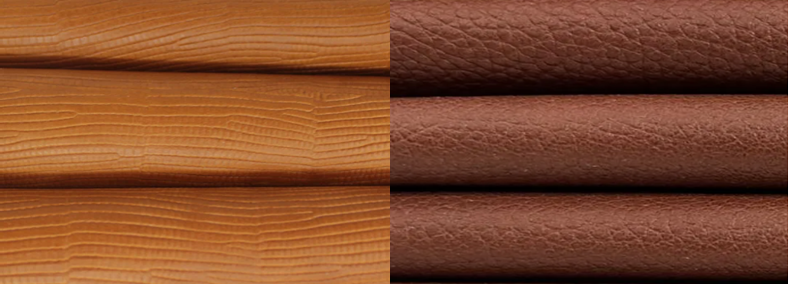
Introduction to Additional Calf and Cow Leathers
Understanding the nuances of these specialized leathers empowers collectors to make informed decisions that go beyond mere aesthetic appeal. The diversity within this category reflects Hermès’ response to evolving luxury market demands while maintaining the exceptional quality standards that have defined the brand since 1837. From vintage discontinued options that command premium prices at auction to contemporary innovations that push the boundaries of leather technology, Additional Calf and Cow Leathers represent both heritage and innovation in perfect harmony.
History and Heritage of Hermès’ Expanded Leather Collection
The development of Additional Calf and Cow Leathers traces back to Hermès’ origins as a harness and saddle maker, where the need for diverse leather types was paramount to meeting the varied demands of equestrian equipment. As the maison transitioned into luxury handbags in the early 20th century, this expertise in leather diversity became a cornerstone of their identity. The expansion beyond basic calf leathers began in earnest during the 1950s and 1960s, when increased global travel and changing lifestyle demands necessitated materials that could withstand different climates and usage patterns.
During the golden age of Hermès innovation in the 1970s and 1980s, the introduction of specialized treatments and finishing techniques led to the creation of numerous leather varieties that would later become collectors’ favorites. Leathers like Hermès Evercolor Leather emerged from extensive research and development, offering alternatives that balanced the durability needs of daily use with the refinement expected from luxury accessories. This period saw the establishment of exclusive partnerships with tanneries across France and Europe, ensuring consistent quality and access to the finest raw materials available.
The 1990s marked a significant expansion in the Additional Calf and Cow Leathers category as Hermès responded to increasing demand for personalization and variety. The introduction of leathers with unique textures, such as the distinctive grain patterns found in certain Taurillon varieties, provided artisans with new creative possibilities. This era also witnessed the development of weather-resistant treatments and protective coatings that enhanced the practical appeal of luxury handbags without compromising their aesthetic excellence.
In the 21st century, sustainability considerations have influenced the evolution of Additional Calf and Cow Leathers, with Hermès implementing more environmentally conscious tanning processes while maintaining their legendary quality standards. The maison’s commitment to traditional craftsmanship combined with modern innovation has resulted in leathers that honor heritage techniques while meeting contemporary expectations for durability, beauty, and responsible luxury.
Comprehensive Characteristics of Additional Calf and Cow Leathers
The defining characteristics of Additional Calf and Cow Leathers encompass an extraordinary spectrum of textures, from the butter-soft suppleness of Hermès Evercalf Leather to the structured rigidity of certain Vache varieties. Each leather within this category possesses unique grain patterns that range from virtually smooth surfaces to pronounced pebbled textures, offering visual and tactile experiences that cater to diverse aesthetic preferences. The grain structure of these leathers is not merely decorative but serves functional purposes, influencing how the material handles wear, maintains its shape, and develops patina over time.
The durability profiles of Additional Calf and Cow Leathers vary significantly, with some options like Hermès Sombrero Leather designed for exceptional resistance to scratching and weather exposure, while others prioritize softness and draping qualities over robust durability. This diversity allows collectors to select leathers that align with their lifestyle requirements, whether they need a handbag for daily professional use or a special occasion piece that will be carefully preserved. The aging characteristics of these leathers also differ substantially, with some developing rich patinas that enhance their beauty over time, while others maintain their original appearance with minimal change.
Weight considerations play a crucial role in the appeal of different Additional Calf and Cow Leathers. Lighter options like certain Veau varieties offer comfort for extended wear without sacrificing structural integrity, making them ideal for larger bag styles. Conversely, heavier leathers provide a sense of substance and luxury that many collectors prize, particularly in formal or investment pieces. The flexibility spectrum within this category is equally diverse, ranging from leathers that maintain rigid structure to those that soften and mold to contents over time.
Color absorption and retention capabilities vary dramatically across Additional Calf and Cow Leathers, influencing the range of available colorways and the vibrancy of dyes. Some leathers in this category accept bold, saturated colors exceptionally well, while others excel in subtle, nuanced tones that showcase the natural beauty of the hide. This variation in color behavior affects not only the initial appearance but also how colors age and develop over years of use, with some leathers maintaining color integrity exceptionally well while others develop attractive variations and depth.
The tactile qualities of these leathers range from silky smooth surfaces that feel almost like fabric to textured grains that provide satisfying grip and visual interest. Temperature sensitivity varies as well, with some leathers feeling cool to the touch while others quickly warm to body temperature, creating different sensory experiences for the user.
Manufacturing Excellence and Craftsmanship Standards
The creation of Additional Calf and Cow Leathers begins with meticulous selection of raw hides from carefully chosen suppliers who meet Hermès’ exacting standards for animal welfare and hide quality. Unlike the more common Classic Main Leathers, many leathers in this category require specialized sourcing from specific regions or breeds of cattle that produce hides with particular characteristics. The selection process involves detailed inspection of each hide for uniformity, grain structure, and absence of imperfections that could compromise the final product’s quality.
The tanning processes employed for Additional Calf and Cow Leathers encompass both traditional vegetable tanning methods that have remained unchanged for centuries and innovative chrome tanning techniques that offer enhanced durability and color retention. Some leathers undergo combination tanning, leveraging the benefits of multiple methods to achieve specific characteristics. The duration of tanning can range from several weeks for traditional processes to more expedited methods for certain contemporary leathers, with each approach carefully calibrated to achieve the desired final properties.
Finishing techniques for these specialized leathers involve multiple stages of treatment, including dyeing, pressing, polishing, and protective coating applications. The artisans at Hermès tanneries employ both machine precision and hand-finishing techniques, with some leathers requiring up to twenty different processing steps before achieving their final appearance. The application of proprietary treatments for water resistance, scratch resistance, or specific texture effects represents closely guarded trade secrets that distinguish Hermès leathers from competitors.
Quality control measures for Additional Calf and Cow Leathers exceed industry standards, with multiple inspection points throughout the manufacturing process. Each hide undergoes thorough examination for consistency in grain, color uniformity, thickness variation, and flexibility. Only hides that meet all criteria proceed to Hermès workshops, where master craftsmen further assess the leather before beginning the creation of handbags. This rigorous selection process results in utilization rates significantly lower than industry averages but ensures that every piece bearing the Hermès name meets the maison’s legendary standards.
Hermès Bag Models and Additional Calf and Cow Leather Applications
The versatility of Additional Calf and Cow Leathers shines through their application across Hermès’ entire handbag collection, with certain leathers particularly suited to specific models. The iconic Birkin bag, for instance, takes on entirely different personalities when crafted in smooth Hermès Veau Grain Lisse Leather versus the more textured Taurillon varieties. The structural requirements of the Birkin, with its distinctive silhouette and functional design, are met differently by each leather type, influencing both the bag’s initial appearance and how it ages with use.
Kelly bags crafted from Additional Calf and Cow Leathers offer particularly striking variations in formality and style. The rigid structure traditionally associated with the Kelly can be enhanced with stiffer leathers like certain Vache options, creating pieces with architectural precision that maintain their shape indefinitely. Conversely, softer leathers from this category produce Retourne Kellys with relaxed elegance that appeals to contemporary tastes while maintaining the model’s timeless sophistication.
The Constance model benefits significantly from the lightweight properties of certain Additional Calf and Cow Leathers, as the bag’s crossbody design requires consideration of weight distribution for comfortable wear. Leathers like Hermès Taurillon Novillo Leather provide ideal balance between structure and weight, allowing the Constance to maintain its distinctive geometric shape without becoming burdensome during extended wear. The smooth surface of certain leathers in this category also complements the Constance’s prominent H closure, creating a harmonious visual balance.
Smaller accessories and SLGs (small leather goods) showcase the fine grain and finishing details of Additional Calf and Cow Leathers particularly well. Wallets, card holders, and agenda covers crafted from these materials demonstrate how different leathers handle repeated folding, opening, and handling. Some leathers develop attractive creasing patterns that add character, while others maintain pristine surfaces despite constant use. The variety within this category ensures options suitable for both those who prefer their accessories to show lived-in charm and those who value perpetual newness.
Limited edition and special order pieces frequently feature Additional Calf and Cow Leathers, as their unique characteristics allow for creative expressions that set these pieces apart from regular production items. The ability to combine different leathers from this category in single pieces, such as bags with contrast panels or specialized treatments, demonstrates the technical mastery required to work with these diverse materials while maintaining cohesive design aesthetics.
Color Palette and Aesthetic Variations
The color possibilities within Additional Calf and Cow Leathers extend far beyond the standard palette available in more common leathers, with certain materials accepting dyes in ways that produce unique depth and vibrancy. Classic neutrals like Noir, Gold, and Étoupe take on different characteristics depending on the leather substrate, with smooth leathers showing pure color saturation while textured varieties create subtle tonal variations across the grain pattern. This interaction between leather texture and color creates visual complexity that distinguishes pieces crafted from these specialized materials.
Seasonal and limited edition colors often debut in Additional Calf and Cow Leathers before appearing in other materials, as certain leathers in this category serve as ideal canvases for experimental colorways. Vibrant hues like Rose Shocking or Vert Vérone achieve particularly striking effects in smooth leathers with high shine, while muted pastels find perfect expression in leathers with matte finishes. The relationship between leather type and color behavior influences which combinations appear in boutiques, with Hermès carefully matching leathers to colors that showcase both elements optimally.
Hardware combinations with Additional Calf and Cow Leathers require careful consideration, as the diverse characteristics of these leathers influence which metal finishes create harmonious pairings. Polished leathers like Tadelakt pair beautifully with gold or palladium hardware that mirrors their lustrous surface, while matte leathers benefit from brushed or Permabrass hardware that complements their understated elegance. The weight and presence of hardware also factors into leather selection, with more structured leathers better supporting substantial hardware while delicate leathers pair well with refined, minimalist metal accents.
The evolution of color offerings in Additional Calf and Cow Leathers reflects broader fashion trends while maintaining Hermès’ timeless aesthetic. Contemporary additions to the color palette often emphasize versatility and wearability, with sophisticated neutrals and nature-inspired hues that transcend seasonal trends. Special treatments applied to certain leathers can create effects like subtle metallic sheens or color-shifting properties that add dynamic visual interest without compromising the understated luxury associated with Hermès.
Care and Maintenance Excellence
Proper care for Additional Calf and Cow Leathers requires understanding each leather’s specific characteristics and vulnerabilities, as maintenance approaches that work well for robust options like Hermès Clemence Leather may damage more delicate varieties. Daily care routines should begin with gentle dusting using appropriate cloths, with microfiber being ideal for smooth leathers while softer brushes work better for textured surfaces. The frequency and intensity of cleaning should align with the leather’s durability rating and usage patterns, with heavily used bags requiring more frequent attention to prevent permanent staining or damage.
Conditioning requirements vary significantly across Additional Calf and Cow Leathers, with some benefiting from regular moisturizing treatments while others maintain optimal condition with minimal intervention. Over-conditioning can be particularly problematic for certain leathers in this category, leading to loss of structure, color changes, or unwanted shine development. The selection of conditioning products requires careful consideration of leather type, with pH-balanced formulas specifically designed for luxury leathers providing optimal results without risk of damage.
Storage considerations for Additional Calf and Cow Leathers extend beyond basic dust bag protection to include climate control, positioning, and support structures. Certain leathers in this category are particularly susceptible to humidity damage, requiring silica gel packets or climate-controlled storage environments to prevent mold or mildew development. The use of bag pillows or shapers becomes essential for maintaining structure in softer leathers that may slouch or develop creases during storage. Rotation of stored pieces prevents permanent creasing and ensures even aging across collections.
Professional restoration services for Additional Calf and Cow Leathers require specialists familiar with each leather’s unique properties and appropriate treatment methods. While some leathers respond well to traditional restoration techniques, others require specialized approaches that preserve their distinctive characteristics. The decision to pursue professional restoration should consider factors including the leather’s age, rarity, and inherent value, as some vintage Additional Calf and Cow Leathers may lose collectible appeal if overly restored.
Preventive measures play crucial roles in maintaining Additional Calf and Cow Leathers, with protective sprays, handle covers, and base studs providing defense against common damage sources. However, the application of protective treatments requires careful consideration, as some products may alter the leather’s appearance or interfere with its natural aging process. Regular inspection for early signs of wear allows for timely intervention before minor issues become significant problems.
Comprehensive Comparisons and Selection Guidance
When comparing Additional Calf and Cow Leathers to Hermès Togo Leather, the differences extend beyond surface texture to encompass fundamental characteristics that influence practical use and aesthetic appeal. While Togo’s consistent pebbled grain and reliable durability make it a safe choice for daily use, many Additional Calf and Cow Leathers offer unique advantages for specific applications. Smooth leathers from this category provide elegance suitable for formal occasions, while heavily textured options offer visual interest that sets pieces apart from the ubiquitous Togo examples found in many collections.
The comparison with Hermès Box Calf Leather reveals interesting contrasts within the broader calf leather family. While Box Calf represents the pinnacle of smooth, polished calf leather with its mirror-like finish and formal aesthetic, Additional Calf and Cow Leathers provide alternatives that may offer better scratch resistance or weather tolerance while maintaining sophisticated appearance. The variety within this category ensures options for those who appreciate Box Calf’s elegance but require more practical daily-use characteristics.
Versus Exotic Leather options, Additional Calf and Cow Leathers occupy an interesting middle ground in terms of exclusivity, price point, and maintenance requirements. While they may lack the immediate visual impact of crocodile or ostrich, certain rare or discontinued leathers from this category command significant premiums and collector interest. The regulatory simplicity of calf and cow leathers compared to exotics also makes them attractive for international travelers who wish to avoid CITES documentation requirements.
The advantages of selecting from Additional Calf and Cow Leathers include access to unique textures and finishes not available in standard offerings, potential for discovering undervalued options that may appreciate significantly, and the ability to build distinctive collections that showcase connoisseurship beyond obvious choices. The diversity within this category allows collectors to match leathers precisely to their lifestyle needs, aesthetic preferences, and investment objectives without compromise.
Potential disadvantages include limited availability of certain leathers that may be discontinued or produced in small quantities, variable information about care requirements for rare options, and potential difficulty in authentication due to the lesser-known status of some varieties. The broader range of quality within this category compared to established options also requires greater expertise in evaluation and selection.
Investment Value and Market Dynamics
The investment potential of Additional Calf and Cow Leathers varies considerably across the category, with certain rare or discontinued options achieving remarkable appreciation while others remain relatively stable in value. Historical analysis reveals that leathers withdrawn from production often experience significant value increases, particularly when they were used in limited quantities or associated with specific periods in Hermès history. Collectors focusing on these specialized leathers benefit from reduced competition compared to mainstream options, potentially acquiring future classics at reasonable initial prices.
Market trends for Additional Calf and Cow Leathers reflect broader shifts in luxury consumption patterns, with increasing appreciation for unique, story-rich pieces that demonstrate deep knowledge and sophisticated taste. The rise of informed collectors who value rarity and provenance over obvious status symbols has elevated certain previously overlooked leathers to highly sought-after status. This evolution in collector preferences suggests continued strong performance for well-chosen pieces from this category.
Authentication challenges for Additional Calf and Cow Leathers can impact investment value, as lesser-known varieties may be harder to verify through standard authentication services. Building relationships with reputable dealers and authentication experts familiar with the full range of Hermès leathers becomes essential for serious collectors in this space. Documentation and provenance assume heightened importance for rare leathers, with original receipts and authentication certificates significantly enhancing value and marketability.
The secondary market for Additional Calf and Cow Leathers shows interesting dynamics, with certain combinations of leather type, color, and model achieving premiums that exceed more common alternatives. Auction results demonstrate that educated buyers will pay substantial premiums for rare leathers in excellent condition, particularly when offered in desirable colors or hardware combinations. The relative scarcity of expertise in this area creates opportunities for knowledgeable collectors to identify undervalued pieces before broader market recognition drives prices higher.
Authentication Guidelines and Quality Assurance
Authenticating Additional Calf and Cow Leathers requires comprehensive knowledge of each leather’s specific characteristics, as the diversity within this category creates numerous variables that counterfeiters may exploit. Visual inspection should focus on grain pattern consistency, with authentic Hermès leathers displaying natural variations that follow logical patterns rather than mechanical repetition. The depth and definition of grain, whether pronounced or subtle, should appear organic and three-dimensional rather than stamped or printed onto the surface.
Tactile examination reveals crucial authentication markers, as the hand-feel of genuine Additional Calf and Cow Leathers reflects their quality tanning and finishing processes. Authentic pieces display appropriate flexibility or rigidity for their leather type, with consistent thickness and density throughout. The way leather responds to gentle pressure, how quickly it returns to its original shape, and the sound it makes when handled all provide authentication clues that develop with experience.
Comparison with known authentic examples becomes particularly important for rare Additional Calf and Cow Leathers, as limited market exposure means fewer reference points for evaluation. Building a reference library through boutique visits, reputable dealer interactions, and authenticated auction viewings helps develop the expertise necessary for confident authentication. Documentation of leather characteristics through detailed photography under various lighting conditions creates valuable resources for future authentication efforts.
Common counterfeiting attempts in this category often involve passing off lower-quality leathers as rare Hermès varieties or applying treatments to common leathers to mimic specialized finishes. Understanding the technical limitations of counterfeit production helps identify impossible combinations or characteristics that reveal inauthenticity. The investment in professional authentication services specializing in Hermès becomes particularly worthwhile for rare Additional Calf and Cow Leathers where expertise may be limited.
Styling and Wardrobe Integration
The styling versatility of Additional Calf and Cow Leathers allows for creative expression across diverse fashion aesthetics, from minimalist modernism to maximalist luxury. Smooth, refined leathers complement tailored professional wardrobes, adding sophisticated finishing touches to business attire without overwhelming conservative dress codes. The understated elegance of certain matte-finish leathers makes them ideal companions for contemporary casual wear, bridging the gap between luxury and approachability that defines modern style.
Seasonal considerations influence the optimal deployment of different Additional Calf and Cow Leathers, with lighter-weight options excelling in warm weather while robust, weather-resistant varieties shine during challenging winter conditions. The color depth achieved in certain leathers makes them particularly striking against seasonal palettes, with rich burgundies and forest greens achieving exceptional beauty in textured leathers during autumn months. Spring and summer call for the fresh appeal of smooth leathers in soft pastels or vibrant hues that capture seasonal optimism.
The art of mixing leathers within single outfits or accessory combinations requires understanding how different Additional Calf and Cow Leathers interact visually and texturally. Combining smooth and textured leathers creates dynamic contrast that adds visual interest without appearing chaotic, while maintaining consistency in color family or finish creates sophisticated coordination. The key lies in selecting one leather as the dominant element while using others as supporting accents that enhance rather than compete.
Conclusion: Mastering the World of Additional Calf and Cow Leathers
The remarkable diversity within Additional Calf and Cow Leathers represents one of Hermès’ greatest achievements in leather craftsmanship, offering connoisseurs and collectors an extraordinary range of options that extend far beyond mainstream choices. From the mirror-like polish of certain smooth varieties to the rugged appeal of textured options, this category encompasses materials suitable for every aesthetic preference and practical requirement. Understanding the nuances of these specialized leathers empowers collectors to build truly distinctive collections that showcase both personal style and deep appreciation for craftsmanship excellence.
As the luxury market continues evolving, Additional Calf and Cow Leathers stand poised to play increasingly important roles in defining contemporary collecting trends. Their combination of accessibility compared to exotic leathers and uniqueness relative to standard options positions them perfectly for collectors seeking to differentiate their holdings while maintaining investment value potential. The ongoing development of new treatments and finishes within this category ensures continued innovation that keeps Hermès at the forefront of luxury leather goods creation.
For those embarking on their journey into Additional Calf and Cow Leathers, success comes from patience, education, and careful curation rather than impulsive acquisition. Building expertise through handling various leathers, consulting with knowledgeable dealers, and studying market trends creates the foundation for confident decision-making. Whether pursuing rare vintage options or embracing contemporary innovations, the world of Additional Calf and Cow Leathers offers endless opportunities for discovery and appreciation. Explore our comprehensive guides to specific leathers like Hermès Swift Leather to deepen your understanding and make informed choices that will bring lasting satisfaction to your luxury handbag journey.