
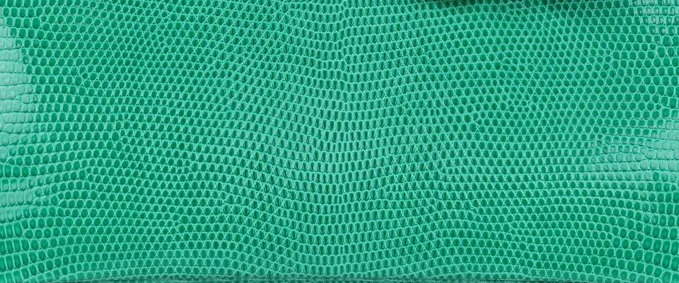
Introduction to Hermès Varanus Niloticus Lizard Leather
What makes this particular leather so coveted among collectors is not merely its rarity, but the perfect balance it strikes between delicate beauty and surprising durability. Unlike some exotic leathers that require constant pampering, Varanus Niloticus offers a more practical approach to exotic luxury, making it an ideal choice for those who wish to incorporate exotic materials into their everyday repertoire without sacrificing functionality or peace of mind.
History and Heritage of Varanus Niloticus in Luxury Leather
The story of Hermès Varanus Niloticus Lizard Leather begins in the workshops of Paris, where master craftsmen first recognized the potential of this exceptional material in the mid-20th century. As Hermès expanded its exotic leather offerings beyond traditional calfskin and goat leather, the house’s artisans discovered that the Nile Monitor lizard’s skin possessed unique qualities that made it ideal for luxury leather goods. The scales of the Varanus Niloticus create a naturally occurring pattern that is both geometric and organic, offering a visual complexity that cannot be replicated through any artificial means.
The introduction of Varanus Niloticus leather into the Hermès collection marked a significant moment in the evolution of exotic leather craftsmanship. Unlike the more commonly used Hermès Niloticus Lizard Leather from smaller lizard species, the Varanus variety offers larger scales and a more pronounced texture that creates dramatic visual impact while maintaining the refinement expected of Hermès products. This leather quickly gained favor among connoisseurs who appreciated its distinctive appearance and the technical challenges it presented to even the most skilled craftsmen.
Throughout the decades, Hermès has refined its techniques for working with Varanus Niloticus leather, developing proprietary methods for tanning and finishing that enhance the material’s natural beauty while ensuring its longevity. The house’s commitment to sustainable sourcing has also evolved, with strict adherence to CITES regulations and partnerships with certified farms that ensure the ethical procurement of this precious material. This responsible approach has not only preserved the species but has also maintained the exclusivity and value of genuine Hermès Varanus Niloticus pieces.
The heritage of this leather is intrinsically linked to some of Hermès’ most iconic creations. From limited edition Birkin bags that have graced the arms of royalty to bespoke Kelly bags commissioned by discerning collectors, Varanus Niloticus leather has been chosen for pieces that represent the absolute pinnacle of luxury craftsmanship. Each decade has seen new innovations in how this material is utilized, from experimental color treatments in the 1980s to contemporary applications that blend traditional techniques with modern design sensibilities.
Comprehensive Characteristics of Hermès Varanus Niloticus Lizard Leather
The visual impact of Hermès Varanus Niloticus Lizard Leather is immediately striking and utterly unmistakable. The surface presents a mesmerizing array of rectangular and square scales that vary in size, creating a natural mosaic that catches and reflects light in constantly changing patterns. Unlike the more uniform appearance found in Lizard Varieties, the Varanus Niloticus displays a more dramatic scale gradation, with larger central scales that gradually decrease in size toward the edges, creating a natural fade effect that skilled craftsmen utilize to enhance the design of each piece.
The texture of this exceptional leather offers a tactile experience that is both luxurious and engaging. Running one’s fingers across the surface reveals subtle variations in height and texture, with each scale slightly raised from the base, creating a three-dimensional quality that adds depth and interest to any design. This textural complexity is one of the defining characteristics that sets Varanus Niloticus apart from smoother exotic options like Hermès Niloticus Crocodile Leather, offering collectors a completely different sensory experience.
In terms of durability, Hermès Varanus Niloticus Lizard Leather presents an interesting paradox. While it appears delicate and precious, the leather possesses surprising resilience when properly cared for. The scales are naturally resistant to minor scratches and abrasions, and the tight grain structure helps prevent moisture penetration. However, like all exotic leathers, it requires more careful handling than hardy options like Hermès Togo Leather, particularly in terms of exposure to extreme temperatures and direct sunlight, which can cause the scales to lift or the color to fade over time.
The aging process of Varanus Niloticus leather is particularly fascinating to observe. Unlike some leathers that develop a patina uniformly, this material ages in a way that accentuates its natural pattern. The raised portions of the scales may develop a subtle sheen from handling, while the recessed areas maintain their original matte finish, creating an even more pronounced visual depth over time. This evolutionary quality means that each piece becomes increasingly unique as it ages, developing a character that reflects its journey with its owner.
Weight is another notable characteristic of this leather. Despite its exotic nature and complex structure, Varanus Niloticus is surprisingly lightweight compared to other exotic options like alligator or crocodile. This makes it an excellent choice for larger bags where weight can become a practical concern, allowing owners to enjoy the luxury of exotic leather without the burden of excessive weight that can accompany some other premium materials.
Manufacturing Excellence and Craftsmanship
The journey of transforming raw Varanus Niloticus skin into the refined leather used in Hermès products is a testament to centuries of accumulated expertise and innovation. The process begins with the careful selection of skins, where only the finest specimens that meet Hermès’ exacting standards are chosen. Each skin is examined for uniformity of scale pattern, absence of scars or blemishes, and overall quality that will translate into the finished product. This rigorous selection process means that only a small percentage of available skins ever make it into the Hermès workshops.
The tanning process for Varanus Niloticus leather is particularly complex and requires specialized knowledge that has been refined over generations. Unlike the processes used for Classic Main Leathers, exotic skins require a delicate balance of traditional and modern techniques. The scales must be preserved in their natural state while the underlying skin is transformed into supple, durable leather. This involves a carefully controlled series of treatments that can take several weeks to complete, with constant monitoring and adjustment to ensure optimal results.
Color application to Varanus Niloticus leather represents one of the most challenging aspects of the manufacturing process. The varied texture and absorption rates of the scales mean that achieving uniform color coverage requires exceptional skill and patience. Hermès employs master colorists who understand how different dyes interact with the unique properties of lizard skin, creating colors that are both vibrant and stable. The house’s signature colors take on new dimensions when applied to this textured surface, with the interplay of light and shadow creating subtle variations that make each piece unique.
The cutting and assembly of Varanus Niloticus leather demands the highest level of craftsmanship. Each piece must be carefully positioned to showcase the natural beauty of the scale pattern while ensuring structural integrity. The direction of the scales, the placement of pattern transitions, and the alignment of panels all require meticulous planning and execution. Master craftsmen spend years perfecting their technique for working with this challenging material, learning to read the leather and understand how it will behave during the construction process.
Hermès Bag Models in Varanus Niloticus Lizard Leather
The Birkin bag in Hermès Varanus Niloticus Lizard Leather represents the ultimate expression of exotic luxury. The generous surface area of the Birkin allows the natural scale pattern to be displayed to maximum effect, creating a visual impact that is both bold and sophisticated. The most sought-after sizes for this leather are the Birkin 25 and Birkin 30, where the scale proportion creates the most harmonious aesthetic. The structured nature of the Birkin’s design complements the textured surface of the Varanus Niloticus, with the clean lines providing a perfect frame for the organic pattern of the scales.
Kelly bags crafted from Varanus Niloticus leather offer a more refined and formal interpretation of this exotic material. The Kelly’s sleek silhouette and singular front panel create an uninterrupted canvas that showcases the leather’s natural beauty. The Retourne construction is particularly favored for this leather, as the softer structure allows the scales to move more naturally with the bag’s shape. Collectors often compare the visual impact to that of Hermès Salvator Lizard Leather, though the Varanus offers a more pronounced and dramatic scale pattern that makes each piece instantly recognizable.
The Constance bag in Varanus Niloticus leather has become increasingly popular among collectors who appreciate the contrast between the bag’s minimalist design and the complex texture of the leather. The large H clasp creates a striking focal point against the scaled background, while the compact size makes it practical for both day and evening use. The long strap, when crafted from the same leather, creates a continuous flow of pattern that adds to the bag’s visual appeal.
Smaller leather goods and accessories in Varanus Niloticus demonstrate the versatility of this material. Wallets, card holders, and belt bags showcase how even small amounts of this precious leather can create significant impact. The Calvi card holder, for instance, becomes a miniature work of art when crafted from Varanus Niloticus, with the scale pattern creating different visual effects as the piece is opened and closed. These smaller items often serve as entry points for collectors who wish to experience the luxury of this exotic leather before investing in larger pieces.
Limited edition and special order pieces in Varanus Niloticus leather represent the pinnacle of Hermès’ exotic leather offerings. These might include unique color combinations not available in the regular collection, or hybrid designs that combine Varanus Niloticus with other exotic materials like Hermès Ostrich Leather for contrast. The Hermès Special Order program allows clients to specify exact specifications for their Varanus Niloticus pieces, from hardware choices to interior leather selection, creating truly one-of-a-kind items that reflect personal taste while showcasing this exceptional material.
Color Palette and Aesthetic Variations
The color palette available for Hermès Varanus Niloticus Lizard Leather is carefully curated to enhance the material’s natural characteristics while offering sufficient variety to suit different tastes and styles. Classic neutrals such as Noir, Graphite, and Étoupe are perennial favorites, as these shades allow the texture and pattern of the scales to take center stage. The interplay between light and shadow across the scaled surface creates subtle tonal variations that give these seemingly simple colors remarkable depth and complexity.
Jewel tones take on extraordinary richness when applied to Varanus Niloticus leather. Deep emeralds, sapphire blues, and ruby reds seem to glow from within, with each scale catching and reflecting light differently to create an almost gem-like effect. These bold colors are particularly striking when paired with gold hardware, creating combinations that are both luxurious and dramatic. The house occasionally releases seasonal colors that push the boundaries of traditional exotic leather coloring, introducing unexpected shades that challenge conventional notions of exotic leather aesthetics.
Lighter shades present unique challenges and opportunities in Varanus Niloticus leather. Colors like Craie, Beton, and Pearl Grey require exceptional skill to execute properly, as any inconsistency in the dyeing process becomes immediately apparent on pale backgrounds. However, when successfully achieved, these light colors create an ethereal quality that is particularly sought after for spring and summer collections. The contrast between the darker edges of the scales and the lighter base color creates a natural highlighting effect that adds dimensionality to the surface.
Hardware selection plays a crucial role in the overall aesthetic of Varanus Niloticus pieces. While gold hardware remains the traditional choice for exotic leathers, palladium and rose gold options have gained popularity in recent years. The choice of hardware can dramatically alter the character of a piece, with gold lending warmth and traditional luxury, while palladium creates a more contemporary, understated elegance. Some collectors specifically seek out rare hardware combinations, such as brushed gold or permabrass, which are occasionally offered on special order pieces.
Care and Maintenance Excellence
Proper care of Hermès Varanus Niloticus Lizard Leather begins with understanding its unique properties and requirements. Daily maintenance should focus on gentle preservation rather than aggressive cleaning. A soft, dry cloth should be used to remove surface dust, always working in the direction of the scales to avoid lifting or damaging them. Unlike more robust leathers that can withstand regular conditioning, Varanus Niloticus requires a more delicate approach, with professional conditioning recommended only when absolutely necessary and performed by specialists familiar with exotic leathers.
Protection from environmental factors is crucial for maintaining the beauty of Varanus Niloticus leather. Direct sunlight can cause fading and may dry out the scales, leading to lifting or cracking over time. Similarly, exposure to rain or high humidity should be avoided, as water can leave permanent marks on the surface and may cause the scales to separate from the base. When caught in unexpected weather, the leather should be gently patted dry with a soft, absorbent cloth and allowed to air dry naturally at room temperature, never near heat sources.
Storage of Varanus Niloticus leather items requires particular attention to detail. Bags should be stored in their original Hermès dust bags, stuffed with acid-free tissue paper to maintain shape, and placed in a climate-controlled environment. Unlike hardier options like Hermès Fjord Leather, exotic leathers benefit from occasional airing to prevent moisture buildup that could lead to mold or mildew. The storage area should maintain consistent temperature and humidity levels, avoiding the extremes that can cause the leather to dry out or become too moist.
Professional maintenance services are essential for preserving the value and beauty of Varanus Niloticus leather pieces. Hermès spa services offer specialized treatments designed specifically for exotic leathers, including gentle cleaning, conditioning, and scale reattachment when necessary. These services should be scheduled regularly, typically once every 12-18 months for frequently used pieces, or whenever signs of wear become apparent. The investment in professional care pays dividends in maintaining both the aesthetic appeal and resale value of these precious items.
Emergency care situations require calm and informed responses. If liquid is spilled on Varanus Niloticus leather, it should be immediately blotted—never rubbed—with a clean, absorbent cloth. For oil-based stains, professional intervention is almost always necessary, as home remedies can cause irreversible damage to the delicate scales. Scratches on the scales themselves are generally permanent, though skilled restoration specialists can sometimes minimize their appearance through careful treatment and color matching.
Comprehensive Comparisons with Other Hermès Leathers
When comparing Hermès Varanus Niloticus Lizard Leather to other exotic options in the Hermès collection, several distinctive characteristics emerge. Unlike Hermès Alligator Leather, which features larger, more uniform scales with a pronounced square pattern, Varanus Niloticus offers a more varied and organic scale arrangement that creates greater visual interest across the surface. The smaller scale size of Varanus Niloticus also allows for more intricate pattern matching during construction, resulting in pieces that showcase exceptional craftsmanship.
The textural experience of Varanus Niloticus differs significantly from Hermès Crocodile Leather. While crocodile presents a relatively smooth surface with defined scale boundaries, Varanus Niloticus offers a more pronounced three-dimensional texture that creates dramatic shadow play under different lighting conditions. This enhanced texture makes Varanus Niloticus particularly suitable for those who appreciate tactile luxury and want their exotic leather pieces to make a bold statement. However, this same texture can make the leather more challenging to clean and maintain compared to the smoother surface of crocodile.
In comparison to classic Hermès leathers, Varanus Niloticus occupies a completely different category of luxury. While Hermès Box Calf Leather offers smooth sophistication and develops a beautiful patina over time, Varanus Niloticus provides immediate visual impact that remains relatively consistent throughout its life. The exotic nature of lizard leather means it will never develop the same type of patina as calf leather, instead maintaining its distinctive scaled appearance while potentially showing wear in different ways, such as slight scale lifting or edge brightening.
Weight and practicality considerations reveal interesting contrasts between Varanus Niloticus and other options. This leather is significantly lighter than most crocodile and alligator options, making it more practical for everyday use despite its exotic status. However, it requires more careful handling than durable options from the Additional Calf and Cow Leathers collection, which can withstand more rigorous daily use without showing signs of wear.
Investment Value and Market Dynamics
The investment potential of Hermès Varanus Niloticus Lizard Leather pieces has proven remarkably strong over the past decade, with values consistently appreciating at rates that outpace inflation and many traditional investment vehicles. The combination of limited production, increasing global demand, and the timeless appeal of Hermès craftsmanship creates a perfect storm for value appreciation. Auction results from major houses like Christie’s and Sotheby’s regularly demonstrate that well-maintained Varanus Niloticus pieces can command prices significantly above their original retail values, particularly for discontinued colors or limited edition designs.
Market dynamics for Varanus Niloticus leather are influenced by several factors unique to exotic materials. CITES regulations governing the trade of exotic skins mean that supply is inherently limited and carefully controlled, creating natural scarcity that supports long-term value. Additionally, the specialized skills required to work with this material mean that production capacity cannot be easily scaled up to meet demand, further supporting price stability and appreciation. This contrasts with more readily available materials where increased demand can be met with increased production.
Collector demand for Varanus Niloticus pieces shows interesting patterns based on geographic and demographic factors. Asian markets, particularly Japan and China, show strong preference for exotic leathers, with Varanus Niloticus being particularly prized for its distinctive appearance and relative rarity compared to crocodile or alligator options. European and American collectors tend to focus on classic color combinations and vintage pieces, creating different value dynamics in these markets. Understanding these regional preferences can be crucial for collectors looking to maximize the investment potential of their pieces.
The future outlook for Hermès Varanus Niloticus Lizard Leather remains strongly positive, supported by several long-term trends. The growing global wealth in emerging markets continues to expand the pool of potential collectors, while the limited supply ensures that demand will likely continue to exceed availability. Additionally, younger collectors are showing increased interest in exotic leathers as a way to differentiate their collections, suggesting sustained demand for decades to come. However, potential investors should also consider that changing attitudes toward exotic materials and potential future regulations could impact long-term values.
Authentication and Quality Assurance
Authenticating Hermès Varanus Niloticus Lizard Leather requires expertise and attention to specific details that distinguish genuine pieces from counterfeits. The scale pattern itself is one of the most reliable indicators of authenticity, as the natural variation and complexity of genuine Varanus Niloticus scales are extremely difficult to replicate convincingly. Each scale should show subtle variations in size, shape, and elevation, with natural irregularities that synthetic materials cannot duplicate. The transition zones where scales change size should flow organically rather than appearing forced or artificial.
Hermès-specific authentication markers on Varanus Niloticus pieces include precise stamping that accounts for the textured surface of the leather. The Hermès stamp should be clearly defined despite the uneven surface, demonstrating the skill required to properly mark exotic leathers. Date stamps, craftsman stamps, and exotic leather designation symbols should all be present and correctly positioned. The exotic leather symbol, typically a square (□) or equals sign (=), indicates compliance with CITES regulations and should appear alongside other standard Hermès markings.
The quality of construction provides additional authentication evidence. Genuine Hermès Varanus Niloticus pieces show impeccable attention to pattern matching, with scales aligned across seams and panels in a way that demonstrates careful planning and expert execution. The stitching should be perfectly even despite the challenging texture of the leather, with each stitch precisely placed to avoid damaging the scales while ensuring structural integrity. Edge painting and finishing should be flawless, with no signs of the shortcuts or compromises often seen in counterfeit pieces.
Styling Guide for Varanus Niloticus Leather
Styling Hermès Varanus Niloticus Lizard Leather requires a thoughtful approach that balances the material’s inherent drama with overall outfit cohesion. For daytime elegance, pairing a Varanus Niloticus bag with understated, luxurious fabrics like cashmere, silk, or fine wool creates a sophisticated look that allows the textured leather to serve as a focal point without overwhelming the ensemble. The key is to let the exotic leather be the statement piece while keeping other elements refined but relatively simple.
Evening occasions provide the perfect opportunity to fully embrace the glamorous nature of Varanus Niloticus leather. A clutch or small shoulder bag in this material pairs beautifully with cocktail dresses or evening gowns, particularly when the hardware complements jewelry choices. The scale pattern catches light beautifully under evening lighting, creating a dynamic accessory that adds movement and interest to formal attire. For maximum impact, choose colors that either complement or provide sophisticated contrast to your outfit’s palette.
Seasonal considerations play an important role in styling Varanus Niloticus pieces. The leather’s exotic nature makes it particularly suitable for resort wear and warm-weather styling, where its lighter weight and distinctive appearance complement flowing fabrics and relaxed silhouettes. However, deeper colors in Varanus Niloticus can also work beautifully with autumn and winter wardrobes, providing textural interest against heavier fabrics and layered looks.
Conclusion: The Enduring Appeal of Hermès Varanus Niloticus Lizard Leather
Hermès Varanus Niloticus Lizard Leather stands as a testament to the house’s unwavering commitment to excellence in exotic leather craftsmanship. This remarkable material combines visual drama, tactile luxury, and practical durability in a way that few other leathers can match. For collectors and connoisseurs, it represents not just a purchase but an investment in artisanal heritage and timeless luxury that transcends seasonal trends and fleeting fashion movements.
The journey through understanding Hermès Varanus Niloticus Lizard Leather reveals the complexity and consideration that goes into every aspect of its creation and care. From the careful selection of raw materials through the meticulous crafting process to the ongoing maintenance required to preserve its beauty, each step reinforces the exceptional nature of this material and the commitment required to own and appreciate it fully.
As we look to the future, Hermès Varanus Niloticus Lizard Leather will undoubtedly continue to occupy a special place in the pantheon of luxury materials. Its combination of rarity, beauty, and craftsmanship ensures that pieces crafted from this exceptional leather will remain highly sought after by collectors who understand and appreciate the pinnacle of exotic leather luxury. For those fortunate enough to own pieces in this remarkable material, they possess not just accessories but wearable works of art that embody the very essence of Hermès’ legendary craftsmanship and uncompromising standards.