
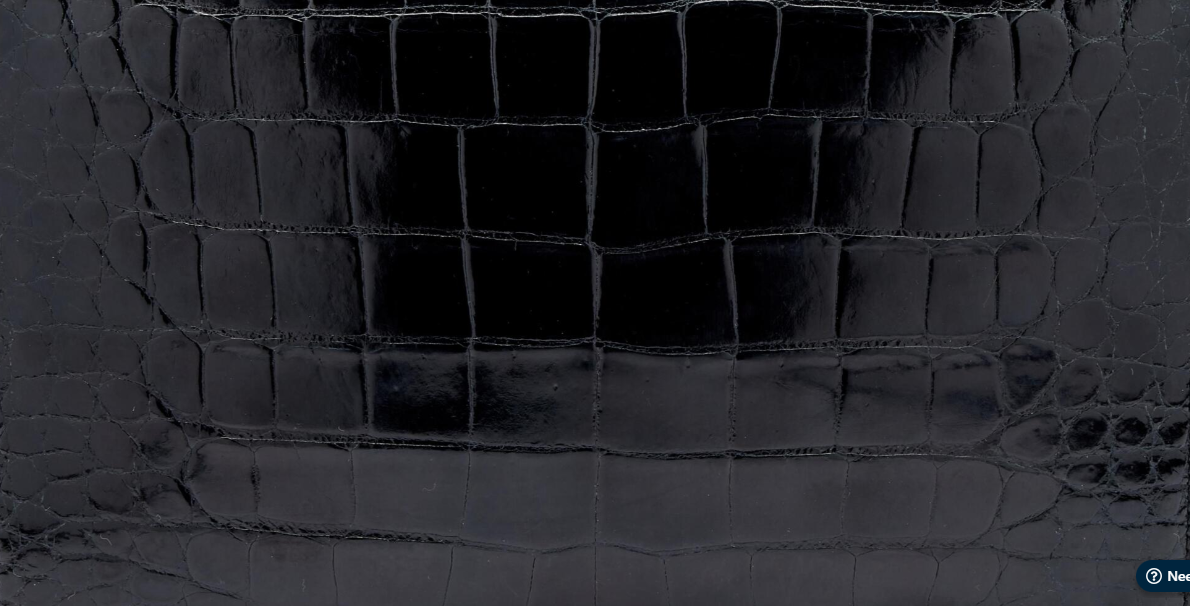
In the rarified world of luxury handbags, few materials command the mystique and allure of Hermès Caiman Crocodile Leather. This exceptional exotic skin represents a fascinating chapter in the storied history of French craftsmanship, offering discerning collectors a unique alternative within the prestigious realm of crocodilian leathers. While often overshadowed by its more celebrated cousins in the Crocodile Varieties family, caiman leather possesses distinctive characteristics that have earned it a devoted following among connoisseurs who appreciate its particular blend of exotic appeal and practical elegance.
History and Heritage of Hermès Caiman Crocodile Leather
The introduction of Hermès Caiman Crocodile Leather into the maison’s repertoire dates back to the mid-20th century, a period marked by bold experimentation and expansion in exotic leather offerings. During the 1950s and 1960s, as international travel became more accessible to the elite clientele of Hermès, there emerged a growing demand for exotic materials that reflected the adventurous spirit of the era. Caiman, sourced primarily from South and Central America, presented an intriguing opportunity to diversify the house’s exotic leather collection while maintaining the exclusivity that defined the brand.
Unlike the more commonly utilized Hermès Niloticus Crocodile Leather from Africa or the prized Porosus from Australia, caiman crocodile offered a distinct aesthetic that appealed to a specific segment of Hermès collectors. The leather’s journey from exotic locales to Parisian workshops involved establishing relationships with specialized farms and tanneries that could meet Hermès’s exacting standards. These partnerships, cultivated over decades, ensured consistent quality and ethical sourcing practices that aligned with the maison’s values.
The evolution of caiman leather within the Hermès collection reflects broader changes in luxury consumption and conservation awareness. By the 1970s and 1980s, as international regulations governing exotic leather trade became more stringent, Hermès adapted its sourcing and production methods to comply with CITES regulations while maintaining the availability of this distinctive material. This period saw innovations in tanning techniques specifically developed for caiman skin, enhancing its durability and finish to meet the demanding standards of Hermès clientele.
Throughout its history at Hermès, caiman crocodile leather has occupied a unique position – neither as ubiquitous as some classic leathers nor as rare as certain other exotics. This middle ground has made it particularly appealing to collectors who seek the prestige of exotic leather without the extreme price points associated with materials like Himalayan crocodile. The leather’s presence in vintage Hermès pieces from the 1960s through the 1990s has created a fascinating secondary market, where well-preserved caiman pieces command significant interest from collectors who appreciate both their historical significance and distinctive appearance.
The heritage of Hermès Caiman Crocodile Leather is intrinsically linked to the maison’s broader philosophy of offering diverse materials that cater to varied tastes while maintaining unwavering quality standards. Each decade has seen subtle refinements in how caiman leather is processed and presented, reflecting technological advances and evolving aesthetic preferences while preserving the fundamental characteristics that make this material special.
Comprehensive Characteristics of Hermès Caiman Crocodile Leather
The distinctive appeal of Hermès Caiman Crocodile Leather lies in its unique scale pattern, which differs markedly from other members of the crocodilian family. The scales of caiman leather typically display a more uniform, geometric arrangement compared to the varied scale sizes found in Hermès Porosus Crocodile Leather. This characteristic pattern features predominantly square and rectangular scales with less pronounced variation between belly and flank sections, creating a more consistent visual texture across the entire surface of the leather. The scales themselves possess a subtle three-dimensional quality, with gentle ridges that catch and reflect light in a manner that creates visual depth without excessive shine.
The tactile experience of Hermès Caiman Crocodile Leather reveals a surface that strikes a balance between the extreme smoothness of polished exotic leathers and the more textured feel of matte finishes. When properly treated by Hermès craftsmen, caiman leather develops a subtle sheen that enhances its natural beauty without appearing overly glossy. This measured luster makes it particularly versatile for both day and evening use, adapting elegantly to different lighting conditions and styling contexts. The leather’s hand-feel is substantial yet supple, with a flexibility that improves with use while maintaining structural integrity.
In terms of durability, caiman crocodile leather presents interesting characteristics that distinguish it within the Exotic Leather category. While generally considered less resistant to wear than alligator or certain crocodile species, properly maintained caiman leather can provide decades of beautiful service. The key lies in understanding its specific vulnerabilities – caiman scales can be more prone to lifting at the edges if subjected to excessive friction or improper storage. However, the leather’s natural oils, when properly maintained through appropriate care routines, help preserve its flexibility and prevent the brittleness that can affect poorly maintained exotic leathers.
The aging process of Hermès Caiman Crocodile Leather follows a distinctive trajectory that collectors should understand and appreciate. Over time, the leather develops a patina that deepens its color and enhances the definition between scales. This maturation process is generally more subtle than what occurs with vegetable-tanned leathers but more noticeable than with many other exotic materials. Colors tend to become richer and more complex, with darker shades developing particularly attractive depth. Light-colored caiman leather may show signs of use more readily than darker variants, though this can contribute to a desirable vintage character that many collectors prize.
Weather resistance in caiman crocodile leather requires careful consideration. While the material possesses natural water-resistant properties due to its origin, Hermès’s tanning process prioritizes aesthetic appeal and hand-feel over maximum weather protection. Exposure to rain or excessive humidity can cause water spots or, in severe cases, scale lifting. Similarly, extreme heat can dry out the leather, potentially leading to cracking if proper conditioning is neglected. These characteristics make caiman leather better suited to controlled environments and careful use rather than all-weather daily carry, though with proper precautions, it can certainly be enjoyed regularly.
The structural properties of caiman leather influence how it performs in different bag constructions. Its moderate thickness and consistent texture make it well-suited to structured bags that benefit from the leather’s ability to hold shape while remaining relatively lightweight compared to some other exotic options. The uniformity of scale size and pattern also means that pattern matching during construction is somewhat less challenging than with materials featuring more dramatic scale variation, though Hermès artisans still exercise meticulous care in ensuring aesthetic harmony across all panels of a bag.
Manufacturing Excellence: From Raw Material to Hermès Masterpiece
The transformation of raw caiman skin into Hermès Caiman Crocodile Leather represents one of the most complex and carefully controlled processes in luxury leather manufacturing. The journey begins with the selection of raw skins, a process that eliminates approximately 70% of available materials before they even reach the tannery. Hermès inspectors examine each skin for uniformity of scale pattern, absence of scars or blemishes, and overall size compatibility with intended products. Only skins that meet these stringent criteria advance to the tanning process, ensuring that every piece bearing the Hermès name reflects the house’s uncompromising standards.
The tanning process for caiman leather differs significantly from methods used for Hermès Togo Leather and other bovine leathers. The delicate nature of caiman skin requires a gentler approach that preserves the integrity of each scale while achieving the desired suppleness and color saturation. The process begins with careful cleaning and preparation, removing any remaining tissue while preserving the natural oils that contribute to the leather’s flexibility. This initial phase can take several days, with constant monitoring to ensure optimal results.
Chrome tanning, the predominant method for caiman leather at Hermès, involves a carefully calibrated series of chemical baths that stabilize the protein structure of the skin while allowing for vibrant color absorption. The precise formulation of these tanning solutions remains a closely guarded secret, developed over decades of experimentation and refinement. Temperature, pH levels, and duration of each phase are meticulously controlled, with master tanners making subtle adjustments based on the characteristics of each batch of skins.
Following the primary tanning phase, the leather undergoes a series of finishing treatments that define its final appearance and performance characteristics. These treatments include careful pressing to ensure uniform thickness, selective glazing to achieve the desired level of shine, and the application of protective coatings that enhance durability without compromising the leather’s natural beauty. Each step requires skilled artisans who understand how caiman leather responds to different treatments and can make real-time adjustments to achieve optimal results.
The dyeing process for Hermès Caiman Crocodile Leather presents unique challenges due to the varied density of different areas of the skin. Achieving uniform color penetration while maintaining the natural variation that gives caiman leather its character requires exceptional skill and patience. Multiple applications of dye may be necessary, with careful inspection between each phase to ensure even coverage without obscuring the distinctive scale pattern. The final color must not only meet Hermès’s exacting standards but also demonstrate stability over time, resisting fading and color transfer.
Hermès Bag Models in Caiman Crocodile Leather
The application of Hermès Caiman Crocodile Leather across the maison’s iconic bag designs reveals how this distinctive material adapts to different structural requirements and aesthetic visions. The Birkin bag, perhaps the most coveted design featuring caiman leather, showcases the material’s ability to maintain structure while developing character through use. In Birkin iterations, caiman leather particularly excels in the 25cm and 30cm sizes, where the scale proportion creates optimal visual balance. The leather’s moderate rigidity helps these bags maintain their iconic trapezoid shape, while its relative lightness compared to Hermès Alligator Leather makes them comfortable for regular use.
The Kelly bag in caiman crocodile leather presents a study in refined elegance. The structured nature of the Kelly design harmonizes beautifully with caiman’s consistent scale pattern, creating a sophisticated appearance that works equally well in formal and casual settings. Retourne versions in caiman offer a softer silhouette while maintaining the exotic appeal, though the Sellier construction truly highlights the geometric beauty of caiman scales. The single top handle of the Kelly, often a stress point in exotic leather bags, benefits from caiman’s reasonable durability when properly reinforced during construction.
Among the more contemporary designs, the Constance bag in caiman crocodile leather has developed a devoted following. The clean lines and minimalist aesthetic of the Constance provide an ideal canvas for showcasing caiman’s uniform scale pattern. The prominent H closure creates an appealing contrast with the organic texture of the leather, while the long strap, typically crafted from the same caiman leather, demonstrates the material’s flexibility and strength. The Constance in caiman often appears in bold colors that highlight the leather’s excellent dye absorption properties.
The Bolide bag, one of Hermès’s heritage designs, takes on a particularly distinctive character when crafted in caiman leather. The bag’s rounded silhouette and zipper closure create interesting visual dynamics with the geometric scale pattern, while the dual handles showcase the leather’s ability to maintain shape under regular stress. Vintage Bolide bags in caiman from the 1970s and 1980s remain highly sought after, demonstrating the leather’s longevity when properly maintained.
Smaller leather goods and accessories in Hermès Caiman Crocodile Leather deserve special attention for their ability to showcase the material’s finest qualities in concentrated form. Wallets, particularly the Bearn and Kelly wallet styles, display the precise alignment of scales that Hermès artisans achieve even in compact formats. The uniform scale size of caiman makes it particularly well-suited to these smaller items, where dramatic scale variation might appear disproportionate. Card holders and coin purses in caiman offer an accessible entry point into exotic leather collecting while demonstrating the same meticulous craftsmanship found in larger pieces.
Limited edition and special order pieces in caiman crocodile leather represent the pinnacle of Hermès’s creative expression with this material. These might include unique color combinations, hardware variations, or hybrid designs combining caiman with other materials like Hermès Ostrich Leather or classic leathers. Such pieces often become centerpieces of serious collections, demonstrating both the versatility of caiman leather and the innovative spirit that continues to drive Hermès’s design evolution.
Color Palette and Aesthetic Variations
The color spectrum available in Hermès Caiman Crocodile Leather encompasses a carefully curated range that balances timeless elegance with seasonal innovation. Classic neutrals form the foundation of the caiman color palette, with noir (black) representing perhaps the most sophisticated expression of this exotic leather. Black caiman develops a subtle depth over time, with the natural variation between scales becoming more pronounced as the leather ages, creating an almost three-dimensional effect that distinguishes it from uniformly dyed smooth leathers.
Brown tones in caiman crocodile leather offer exceptional richness and complexity. From the deep, coffee-hued Chocolat to the warmer Cognac and lighter Gold, these shades highlight the natural character of the leather while maintaining versatility across different styles and seasons. The way light plays across the scales of brown caiman creates subtle variations in tone that give each piece a unique personality. These earth tones age particularly gracefully, developing increased depth and patina that many collectors find especially appealing compared to similar shades in Hermès Lizard Leather.
Jewel tones in caiman leather represent some of the most striking expressions of Hermès’s dyeing expertise. Deep emerald greens, sapphire blues, and rich burgundies take on exceptional depth when applied to caiman’s structured surface. The geometric scale pattern creates a subtle play of light and shadow that enhances these colors’ intensity, making them appear to shift and change depending on viewing angle and lighting conditions. Rouge H, a signature Hermès burgundy, appears particularly stunning in caiman, combining sophistication with just enough drama for special occasions.
Seasonal and limited edition colors in caiman crocodile leather often push creative boundaries while maintaining the sophistication expected from Hermès. Pastel shades like Rose Sakura or Bleu Atoll demonstrate the leather’s ability to carry delicate colors without appearing fragile. These lighter tones require exceptional skill in dyeing to achieve even coverage while preserving the natural texture and character of the scales. Bright colors like Orange or Rose Mexico showcase caiman’s capacity for bold expression, appealing to collectors who appreciate statement pieces.
Hardware combinations with caiman leather require careful consideration to achieve optimal aesthetic balance. Gold hardware creates a classic, luxurious appearance that particularly complements warm-toned caiman leathers. Palladium hardware offers a more contemporary feel, working especially well with cool-toned grays, blues, and blacks. The rarely seen rose gold hardware creates stunning combinations with certain caiman colors, though these pieces remain exceptionally rare in the secondary market.
Care and Maintenance of Hermès Caiman Crocodile Leather
The preservation of Hermès Caiman Crocodile Leather requires a dedicated approach that respects the material’s unique properties while maintaining its beauty for generations. Daily care begins with proper handling – always ensure hands are clean and dry before touching caiman leather, as oils and moisture from skin can leave marks or cause discoloration over time. When carrying a caiman bag, be mindful of contact with rough surfaces, jewelry, or other items that might catch on the scales’ edges. The relatively uniform scale pattern of caiman can make minor damage more noticeable than on leathers with varied textures.
Cleaning caiman leather demands a gentle touch and appropriate materials. Unlike the more robust Hermès Box Calf Leather, caiman should never be exposed to excessive moisture or harsh cleaning products. For routine maintenance, use a soft, dry cloth – preferably microfiber – to gently remove surface dust and fingerprints. Work in the direction of the scales, never against them, to avoid lifting edges or causing damage. For more thorough cleaning, a slightly damp cloth may be used sparingly, followed immediately by gentle drying with a soft towel. Never allow water to pool on the surface or seep between scales.
Conditioning caiman crocodile leather requires specialized products designed specifically for exotic skins. Generic leather conditioners formulated for bovine leathers can damage caiman, causing discoloration, scale lifting, or unwanted shine. Hermès recommends professional conditioning services performed by their craftsmen, who use proprietary products developed specifically for each type of exotic leather. If conditioning at home, use only products explicitly designed for crocodilian leathers, applying sparingly with a soft cloth and allowing complete absorption before use. Over-conditioning can cause scales to become overly soft and prone to damage.
Storage of caiman leather items demands careful attention to environmental conditions. Maintain a consistent temperature between 60-75°F (15-24°C) with moderate humidity levels around 50-55%. Extreme temperature fluctuations can cause the leather to expand and contract, potentially leading to scale separation or cracking. Store bags in their original Hermès dust bags, stuffed with acid-free tissue paper to maintain shape. Never use newspaper or colored paper, as ink can transfer to the leather. Ensure adequate air circulation – never store in plastic bags, which can trap moisture and promote mold growth.
Professional maintenance services represent a worthwhile investment in preserving the value and beauty of caiman leather pieces. Hermès spa services offer comprehensive restoration that addresses both cosmetic and structural issues. These services include deep cleaning, reconditioning, scale repair, and color restoration performed by artisans trained specifically in exotic leather care. While costly, professional maintenance every 2-3 years can significantly extend the life of caiman leather items and maintain their value in the secondary market. Many collectors schedule regular spa appointments as preventive maintenance rather than waiting for visible signs of wear.
Emergency care situations require calm, measured responses to prevent permanent damage. If caiman leather becomes wet, gently blot excess moisture with a soft, absorbent cloth without rubbing. Allow the item to dry naturally at room temperature, away from direct heat sources or sunlight. For stains, resist the temptation to clean aggressively – instead, consult a professional immediately. Oil-based stains are particularly problematic for caiman leather and often require expert intervention. In cases of scale lifting, avoid the temptation to press them back down, as this can cause further damage. Professional repair is essential for maintaining the integrity of the piece.
Comparisons with Other Hermès Leathers
Understanding how Hermès Caiman Crocodile Leather compares to other exotic and classic options helps collectors make informed decisions based on their lifestyle, aesthetic preferences, and investment goals. When compared to Hermès Crocodile Leather in its various forms, caiman presents both advantages and considerations. The uniformity of caiman’s scale pattern creates a more predictable aesthetic that some find more versatile for everyday use, while others prefer the dramatic scale variation found in Niloticus or Porosus crocodile. Caiman typically comes at a lower price point than these premium crocodile varieties, making it an accessible entry into exotic leather collecting without sacrificing the prestige associated with crocodilian materials.
The comparison with Hermès Niloticus Crocodile Leather reveals interesting contrasts in both appearance and performance. Niloticus features more pronounced scale variation, with smaller scales on the belly transitioning to larger ones on the flanks, creating dramatic visual interest. This variation allows for more creative pattern placement during bag construction but also makes matching panels more challenging. Caiman’s consistent scale size simplifies production while creating a more uniform appearance that some collectors prefer for its understated elegance. In terms of durability, Niloticus generally edges out caiman, though both require careful maintenance to preserve their beauty.
Against alligator leather, caiman presents a distinctly different proposition. Alligator leather, with its calcium deposits creating unique patterns within each scale, offers a more complex visual texture that many consider the pinnacle of exotic leather luxury. Caiman lacks these calcium deposits, resulting in cleaner, more geometric scales that create a different but equally valid aesthetic. The absence of calcium patterns in caiman can make color appear more uniform and intense, particularly in bright or jewel tones. From a practical standpoint, alligator generally demonstrates superior durability and weather resistance, though at a significantly higher price point.
When compared to classic Hermès leathers, caiman crocodile occupies a unique position. Unlike the everyday durability of Togo or Clemence leather, caiman requires more careful use and maintenance. However, it offers an exotic appeal and exclusivity that classic leathers cannot match. The structured nature of caiman makes it more comparable to Hermès Epsom Leather in terms of shape retention, though with obviously different aesthetic qualities. For collectors who primarily own classic leather pieces, adding caiman provides dramatic variety without the extreme investment required for the most rare exotic materials.
The choice between caiman and other exotic options often comes down to personal preference and intended use. Caiman excels in situations where exotic appeal is desired without the highest maintenance requirements or price points. Its uniform appearance makes it particularly suitable for those who prefer understated luxury over bold statements. The leather’s moderate durability positions it well for special occasion use or careful regular wear, though it may not be ideal for those seeking a daily workhorse bag. Understanding these distinctions helps collectors build diverse collections that serve different purposes while maintaining the exceptional quality standards that define Hermès.
Investment Value and Market Dynamics
The investment potential of Hermès Caiman Crocodile Leather occupies a fascinating middle ground in the luxury handbag market. While not commanding the astronomical prices associated with Himalayan crocodile or certain rare alligator pieces, caiman leather items demonstrate steady appreciation that makes them attractive to both collectors and investors. Historical data from major auction houses reveals that well-maintained caiman pieces from the 1980s and 1990s often achieve prices 3-5 times their original retail value, though this appreciation rate falls below that of the most coveted exotic materials.
Market demand for caiman crocodile leather fluctuates based on several factors, including general economic conditions, trends in exotic leather preferences, and regulatory changes affecting crocodilian leather trade. The relatively stable supply of caiman leather, compared to more restricted materials, helps maintain price consistency while preventing the extreme scarcity that drives values of certain other exotics. This stability appeals to collectors who seek exotic leather’s prestige without the volatility associated with ultra-rare materials.
Secondary market dynamics for Hermès Caiman Crocodile Leather reveal interesting patterns. Certain colors and hardware combinations command significant premiums, particularly discontinued shades or limited edition releases. Black caiman with gold hardware maintains strong demand due to its timeless appeal, while unusual colors from specific years can attract competitive bidding from collectors seeking to complete themed collections. The condition of caiman pieces significantly impacts value more than with some other leathers, as scale damage or lifting can be difficult and expensive to repair.
Authentication concerns in the caiman market require particular attention, as the leather’s relatively uniform appearance can make sophisticated forgeries harder to detect than with more distinctive exotic materials. Genuine Hermès caiman displays consistent scale size and pattern alignment that counterfeiters often struggle to replicate. The touch and smell of authentic caiman, along with proper date stamps and craftsman marks, provide crucial authentication markers. Working with reputable dealers and authentication services becomes especially important when investing in caiman pieces, as subtle differences distinguish authentic items from high-quality replicas.
Future prospects for caiman leather values depend on multiple factors including conservation regulations, changing consumer preferences, and Hermès’s production decisions. As sustainability concerns influence luxury consumption, ethically sourced exotic leathers with proper documentation may command premium values. The maison’s apparent reduction in caiman production in recent years could enhance values for existing pieces, particularly those in exceptional condition with complete documentation including original receipts and authenticity cards.
Authentication Markers for Hermès Caiman Crocodile Leather
Authenticating Hermès Caiman Crocodile Leather requires understanding subtle details that distinguish genuine pieces from increasingly sophisticated counterfeits. The scale pattern itself provides the first line of authentication – genuine Hermès caiman displays remarkable consistency in scale size and arrangement, with each scale clearly defined and properly aligned. Counterfeit caiman often shows irregularities in scale pattern, with mismatched sizes or poorly defined edges that become apparent under close inspection. The transition between different sections of the bag should flow naturally, without abrupt changes in scale direction or size that indicate inferior pattern matching.
The quality of the leather’s finish offers crucial authentication clues. Authentic Hermès caiman possesses a subtle, refined luster that never appears plastic or overly shiny. The leather should feel supple yet substantial, with a distinctive hand-feel that combines smoothness with the subtle texture of individual scales. Counterfeit caiman often feels either too stiff or artificially soft, lacking the balanced flexibility that characterizes genuine Hermès exotic leathers. The smell of authentic caiman is subtle and leather-like, never chemical or artificial.
Hardware attachment points on caiman leather bags deserve particular scrutiny during authentication. Hermès employs specialized techniques for attaching hardware to exotic leathers that prevent scale damage while ensuring security. Counterfeit pieces often show stress or damage around hardware attachments, indicating inferior construction methods. The precision of stitching through caiman leather also provides authentication evidence – genuine Hermès stitching maintains perfect consistency despite the challenges of working with exotic materials.
Date stamps and craftsman marks on caiman pieces follow the same conventions as other Hermès leathers but may be more difficult to read due to the textured surface. Authentic stamps show appropriate depth and clarity for the production year, with fonts and formatting consistent with Hermès standards for that period. The location of stamps should correspond to standard Hermès practices, though exotic leathers sometimes feature slight variations in placement due to material constraints.
Styling Guide for Hermès Caiman Crocodile Leather
The versatility of Hermès Caiman Crocodile Leather extends across diverse styling contexts, from corporate boardrooms to elegant soirées. For professional settings, caiman in classic colors like noir or deep brown provides sophisticated polish without overwhelming conservative dress codes. The geometric scale pattern adds subtle textural interest to minimalist business attire, while the exotic material signals success and attention to detail. Paired with tailored suits or elegant sheath dresses, a caiman Kelly or Constance bag elevates professional style without appearing ostentatious.
Evening occasions showcase caiman leather’s ability to complement formal attire. The subtle shine of well-maintained caiman catches light beautifully under evening illumination, creating dynamic visual interest. Jewel-toned caiman pieces pair exceptionally well with cocktail dresses and evening gowns, while black caiman with gold hardware remains the ultimate in formal elegance. The structured nature of caiman makes it ideal for clutch styles and small bags that complete evening ensembles without overwhelming delicate fabrics or intricate designs.
Seasonal considerations influence how caiman leather integrates into wardrobes throughout the year. The material’s moderate weather resistance makes it better suited to controlled environments, suggesting indoor events and covered transportation during inclement weather. Spring and fall provide ideal conditions for showcasing caiman pieces, with moderate temperatures and lower humidity minimizing stress on the leather. Summer styling requires extra caution to protect caiman from excessive heat and humidity, while winter demands protection from snow and de-icing salts that can damage exotic leather.
The art of mixing caiman with other textures creates sophisticated styling opportunities. The geometric pattern of caiman scales provides striking contrast with flowing fabrics like silk or cashmere, while harmonizing beautifully with structured materials like wool gabardine or cotton piqué. Avoid pairing caiman with heavily textured materials that might compete for visual attention or rough fabrics that could damage the delicate scales through friction.
Conclusion: The Enduring Appeal of Hermès Caiman Crocodile Leather
Hermès Caiman Crocodile Leather represents a compelling chapter in the story of luxury leather goods, offering collectors and connoisseurs a distinctive option within the pantheon of exotic materials. Its unique combination of uniform scale pattern, moderate exclusivity, and relatively accessible price point creates opportunities for those seeking to experience exotic leather’s allure without the extreme investment required for the rarest materials. The leather’s particular characteristics – from its geometric beauty to its specific care requirements – demand an informed and committed approach that rewards owners with pieces of enduring elegance and value.
The journey through understanding caiman crocodile leather reveals the complexity behind what might initially appear as simply another exotic option. From the careful selection of raw materials through the intricate tanning and finishing processes, to the skilled craftsmanship required to transform this leather into iconic Hermès designs, every step reflects the maison’s unwavering commitment to excellence. This attention to detail, combined with caiman’s inherent qualities, produces pieces that transcend mere accessories to become treasured possessions passed through generations.
For those considering adding Hermès Caiman Crocodile Leather to their collection, the investment extends beyond financial considerations to embrace a tradition of craftsmanship and luxury that defines the Hermès legacy. Whether choosing caiman for its aesthetic appeal, its position in the exotic leather hierarchy, or its investment potential, owners join an exclusive community that appreciates the subtle distinctions that make each piece special. As the luxury market continues to evolve, caiman leather maintains its relevance through a combination of timeless appeal and adaptability to contemporary style preferences, ensuring its place in the collections of discerning individuals who value quality, craftsmanship, and the unique beauty of exotic materials.